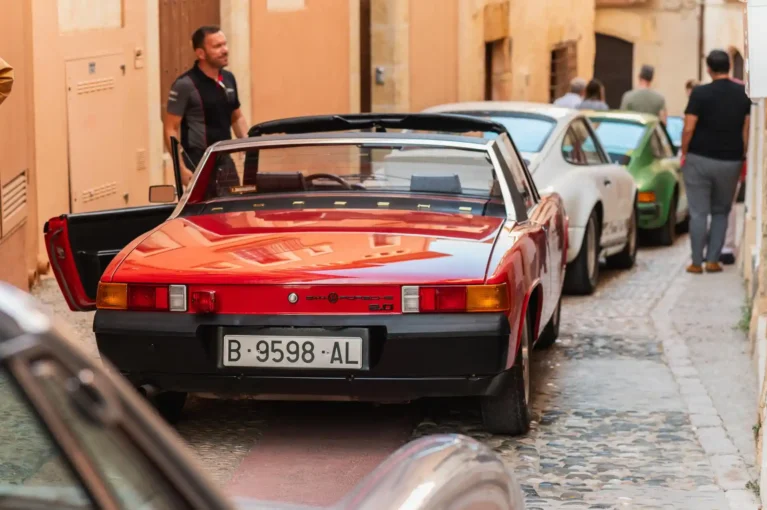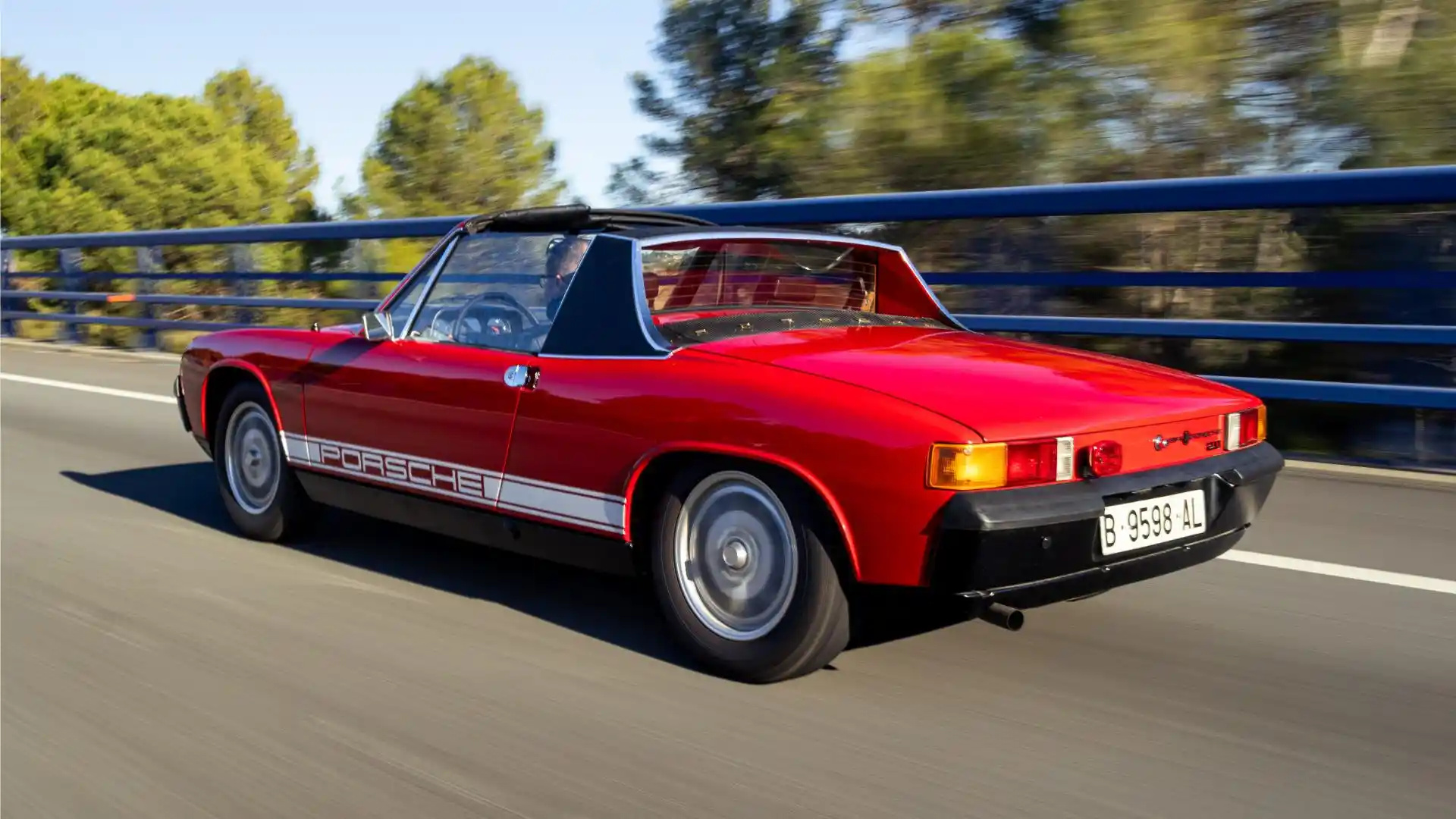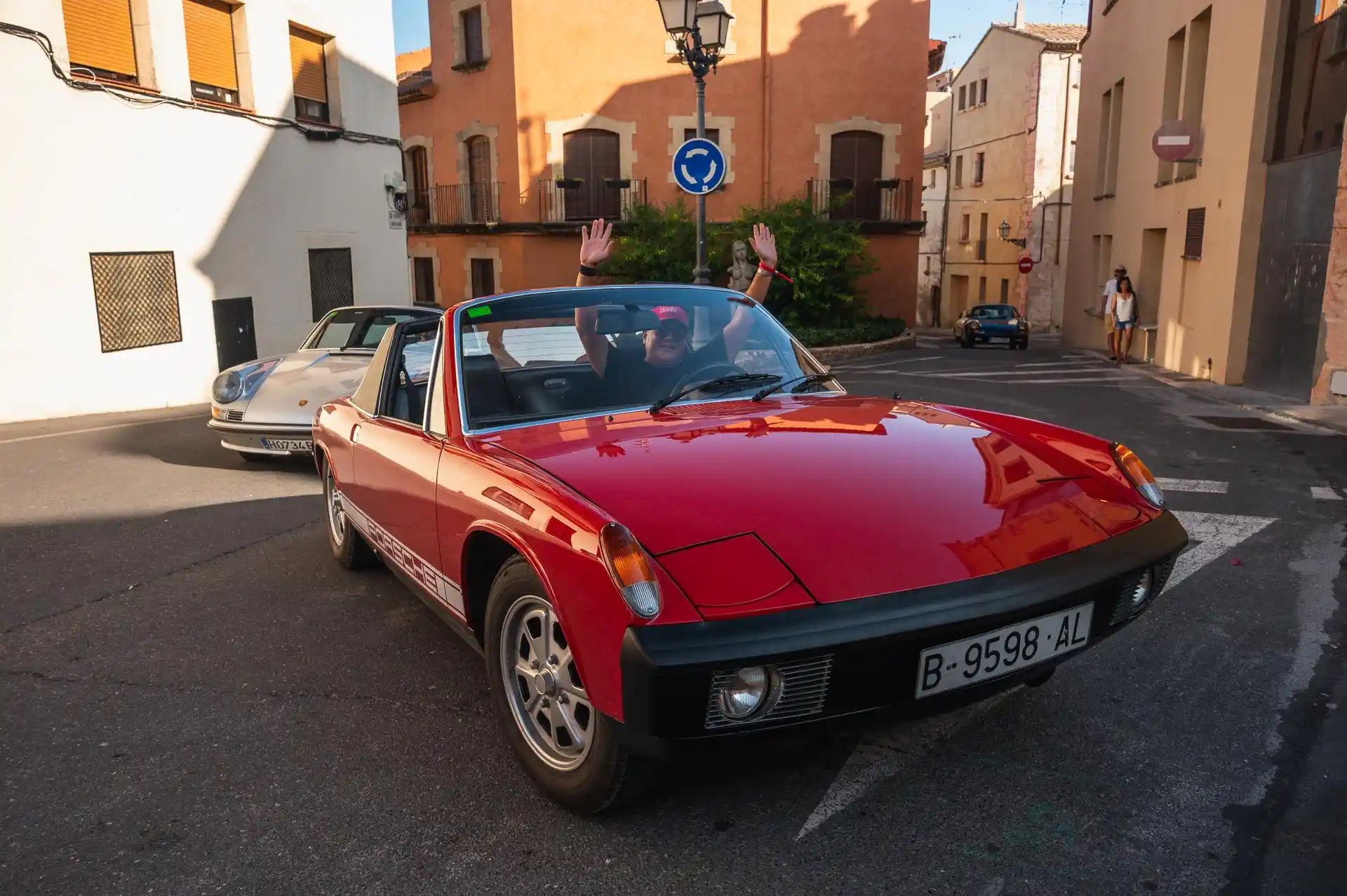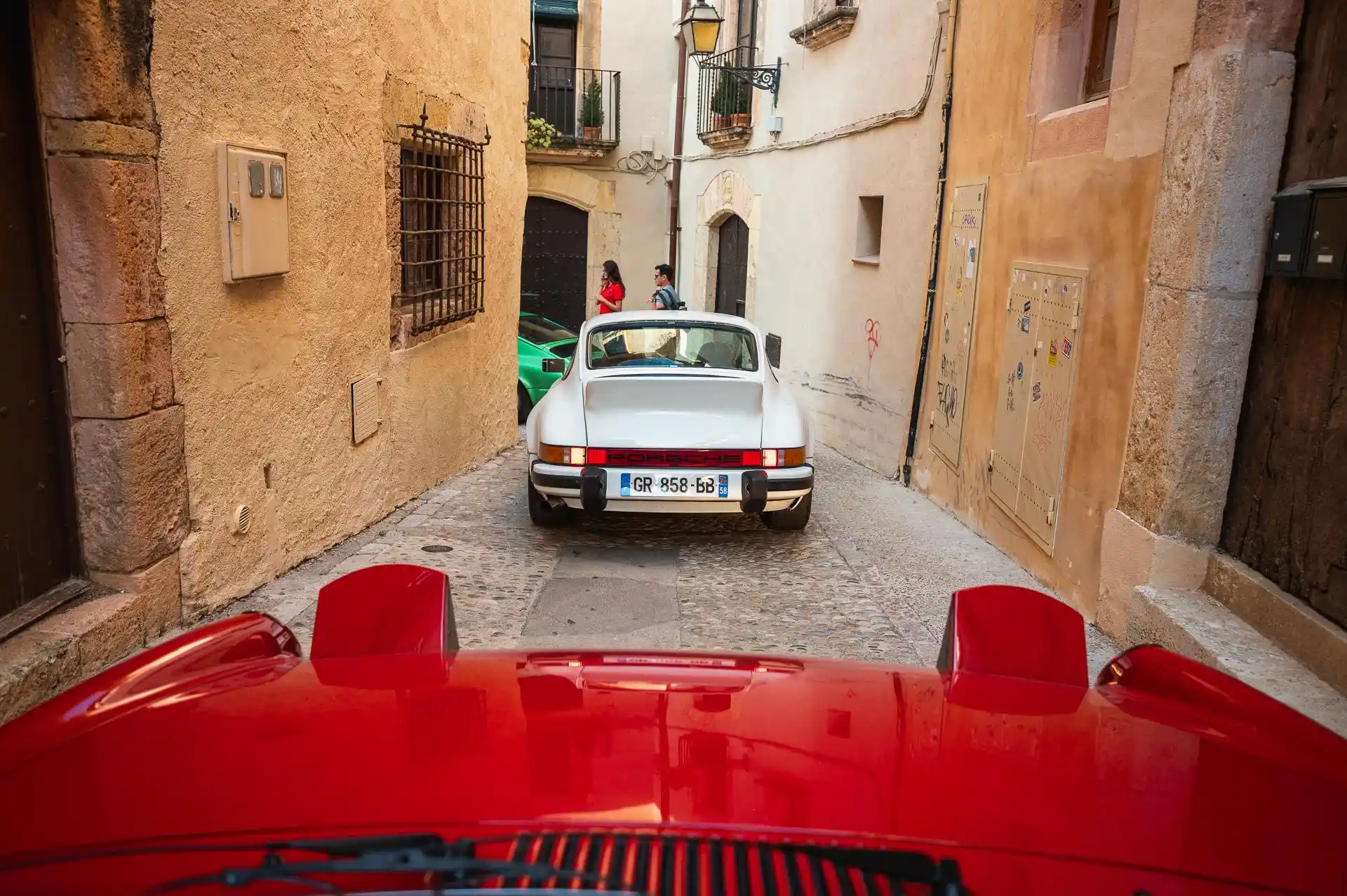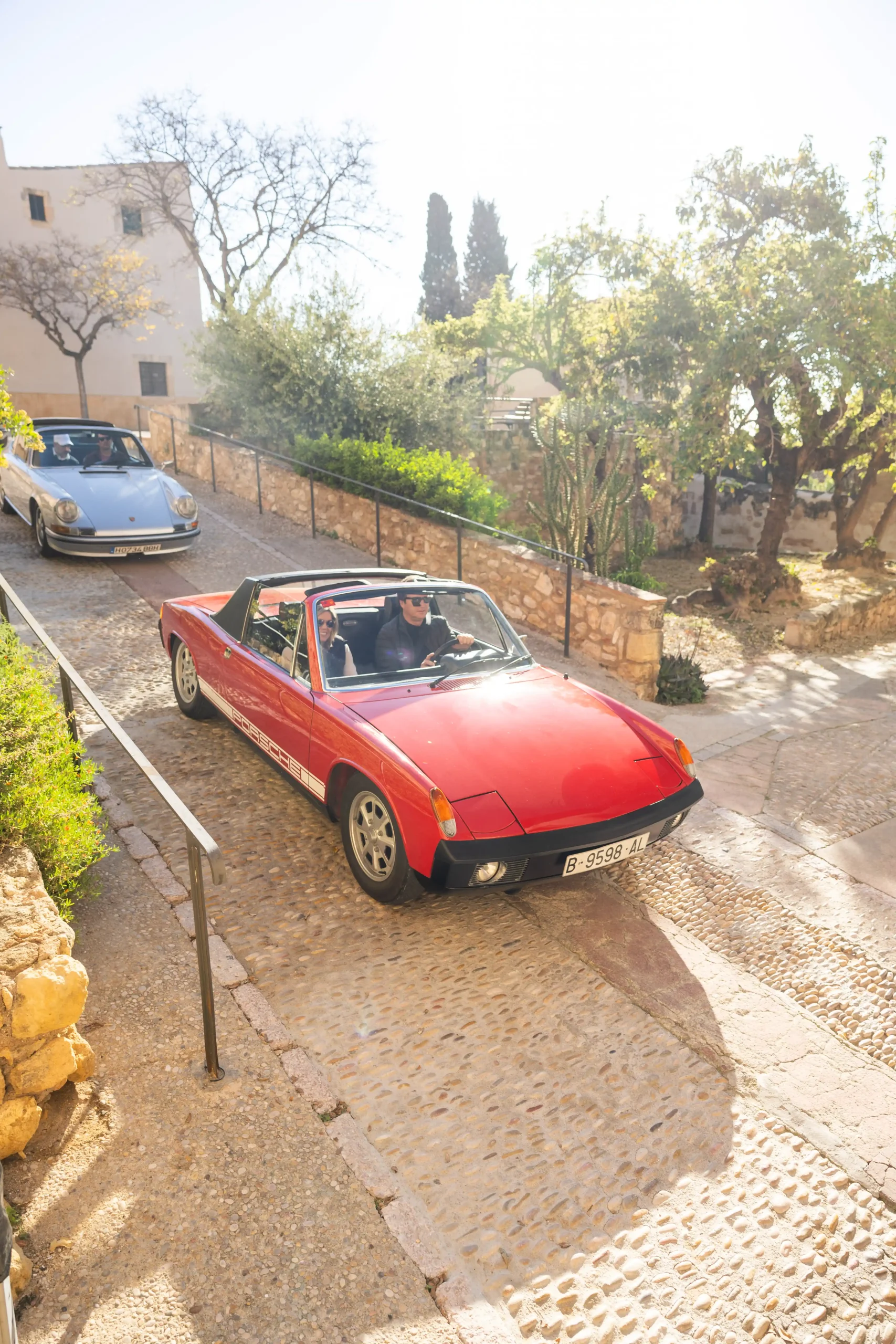


914 2.0
914 2.0
Interior
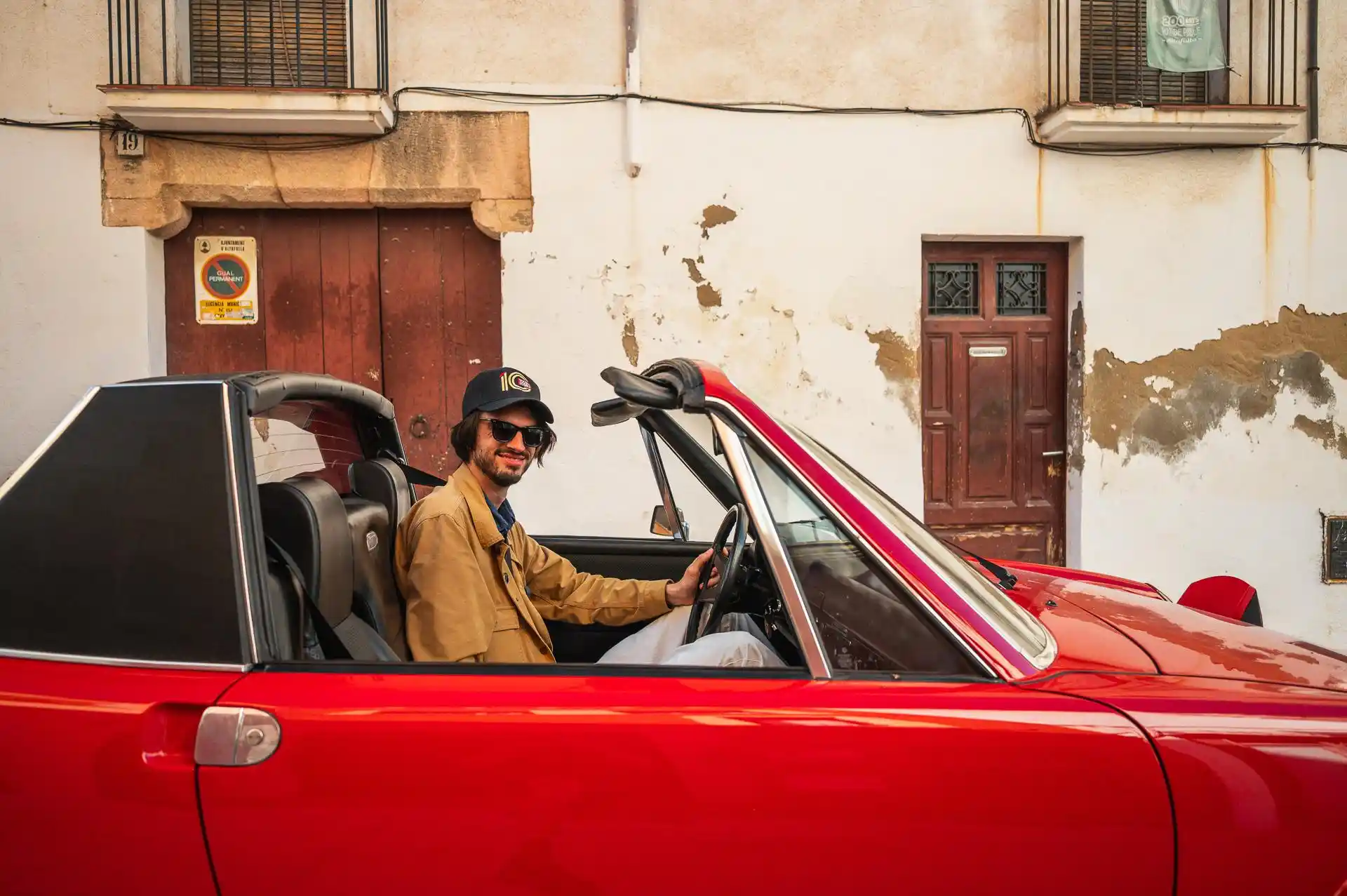
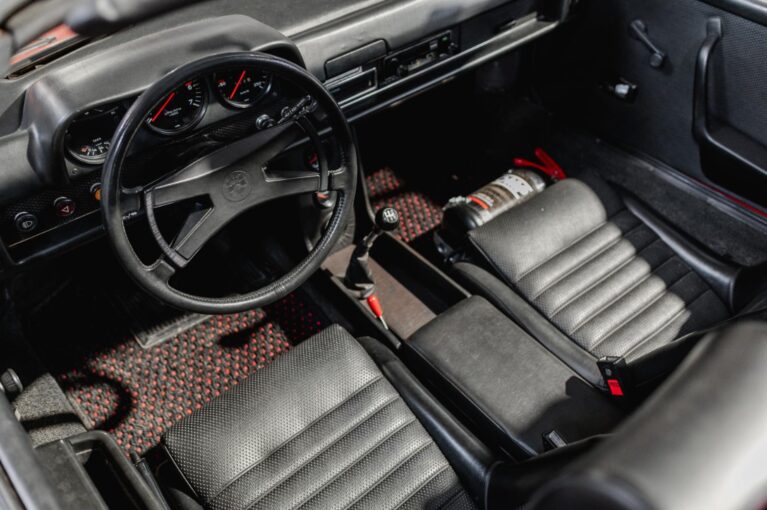
The interior is simple, functional, and driver-focused, with a strong utilitarian charm. In this car, the cabin is trimmed in black, which creates a nice contrast with the bright Bahia Red exterior. The black seats, dashboard, door panels, and steering wheel give the cockpit a sober and purposeful atmosphere, while the classic gauges and manual gear lever keep everything mechanical and direct. Nothing feels excessive: the layout is clear, practical, and built around the pleasure of driving.
The driving position is extremely low, reinforcing the connection with the car and the road.
Engine and Transmission
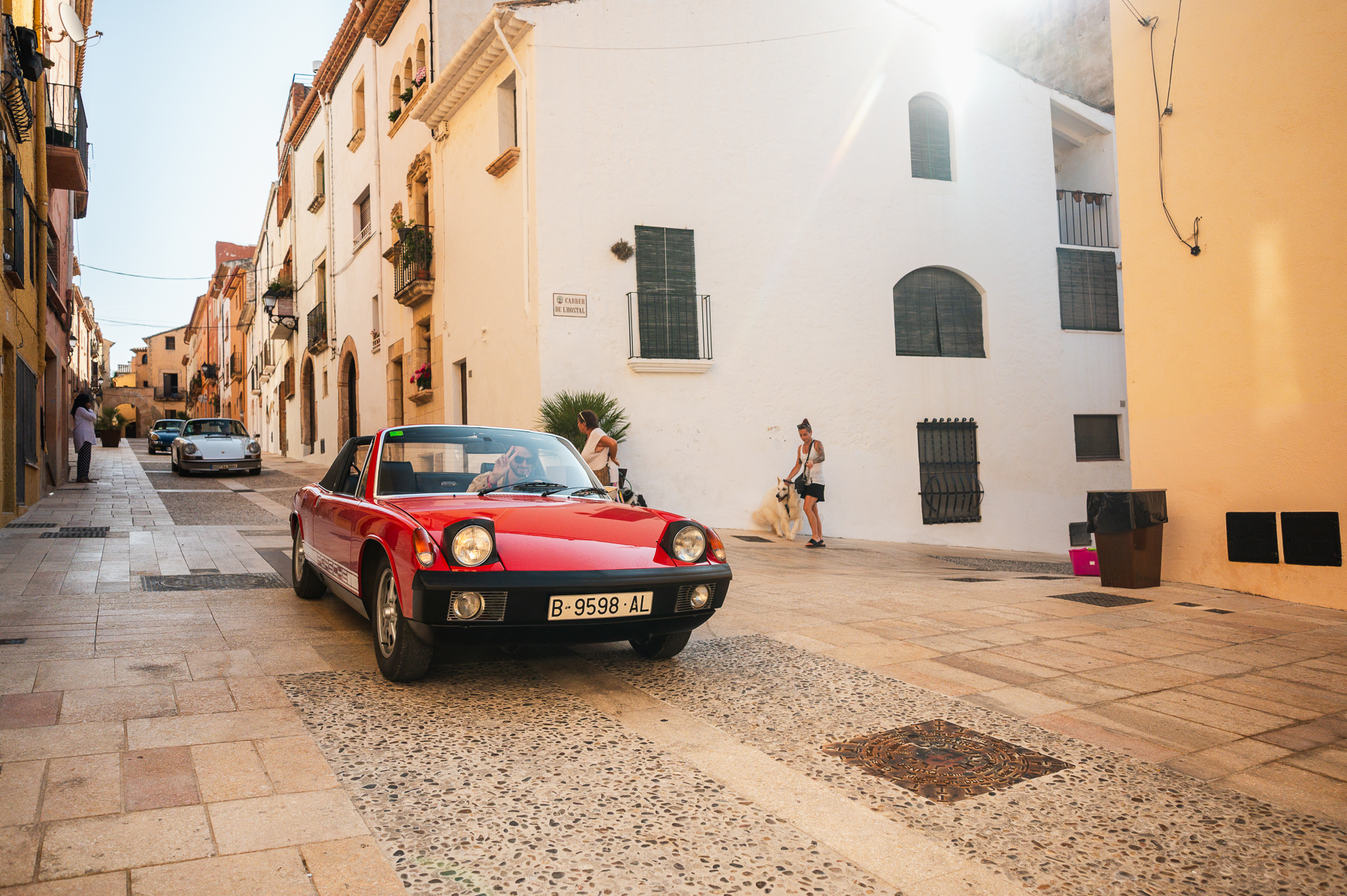
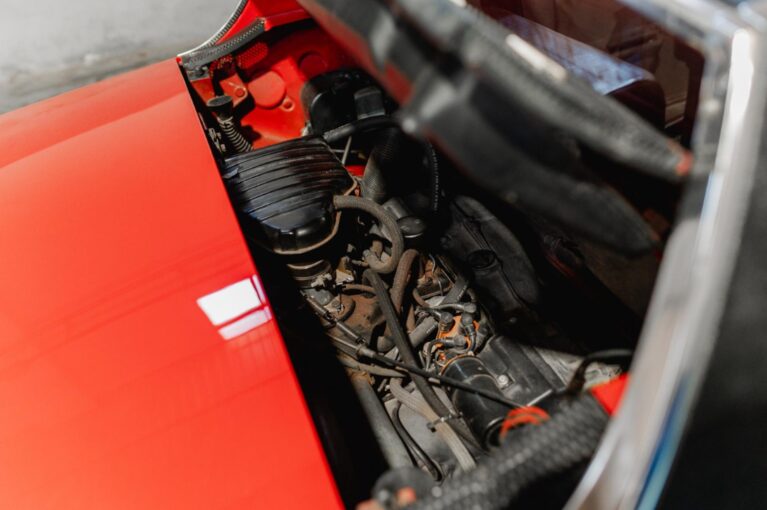
The 914 2.0 is powered by a 2.0-litre flat-four mounted in the middle of the car, giving it excellent balance and a very distinctive driving feel. The engine itself isn’t particularly powerful, but this is more than compensated by the car’s lightweight and chassis balance.
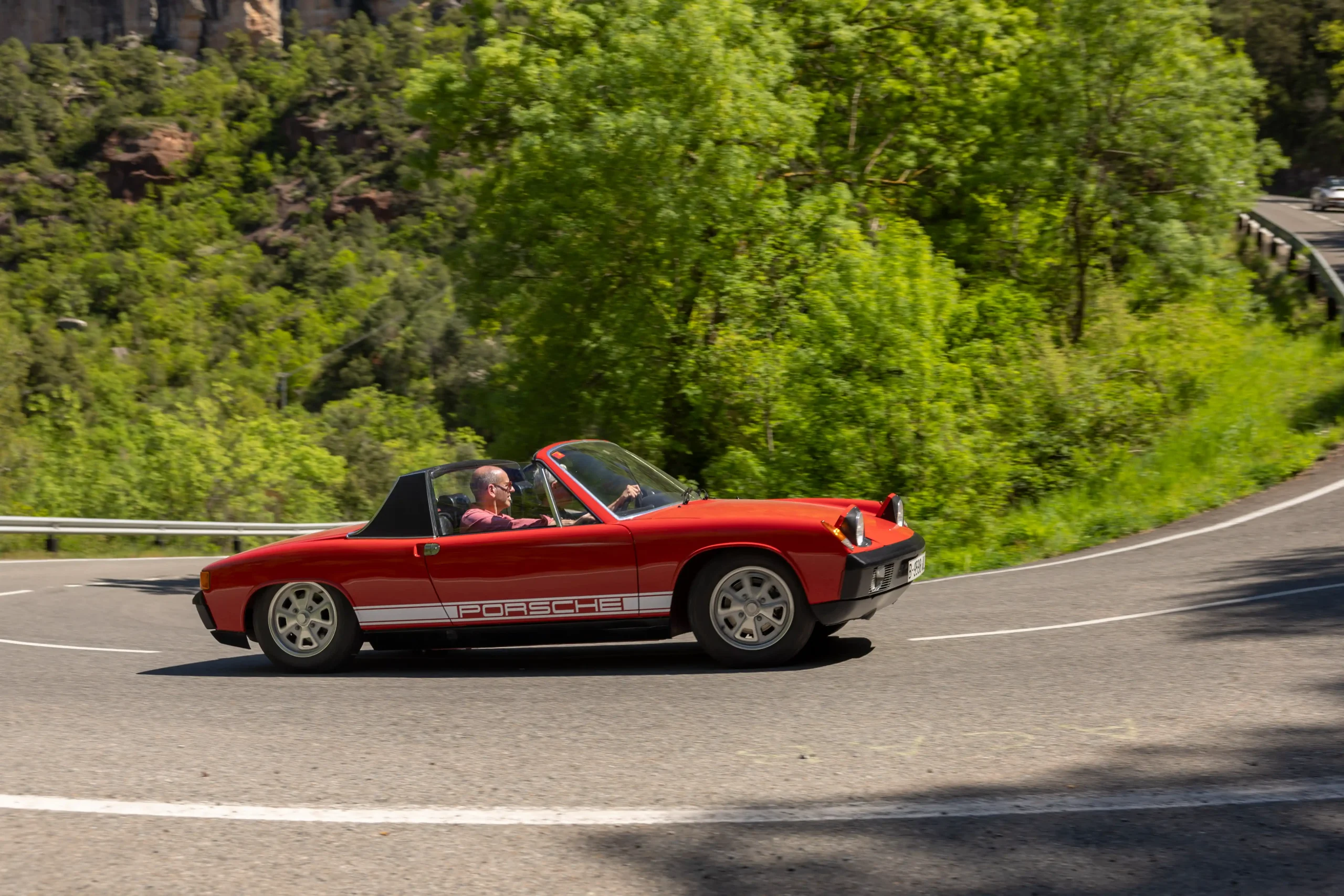
Paired with a manual dog-leg gearbox, it delivers a precise and engaging experience. It’s a car you can drive at its limit, rewarding smooth inputs and momentum rather than brute force. Light, nimble, and well-balanced, it is especially enjoyable on winding roads.
Did you know ?
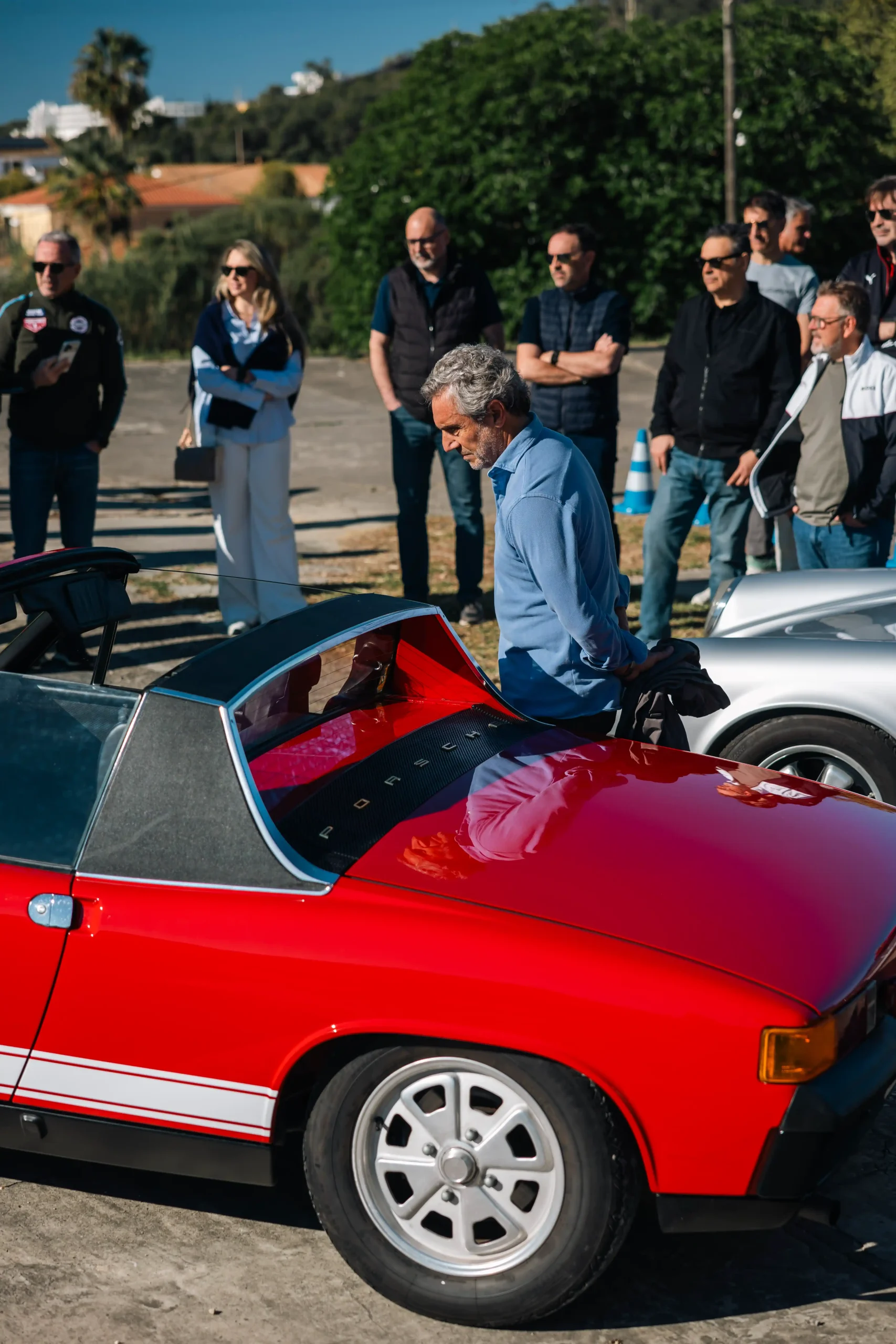
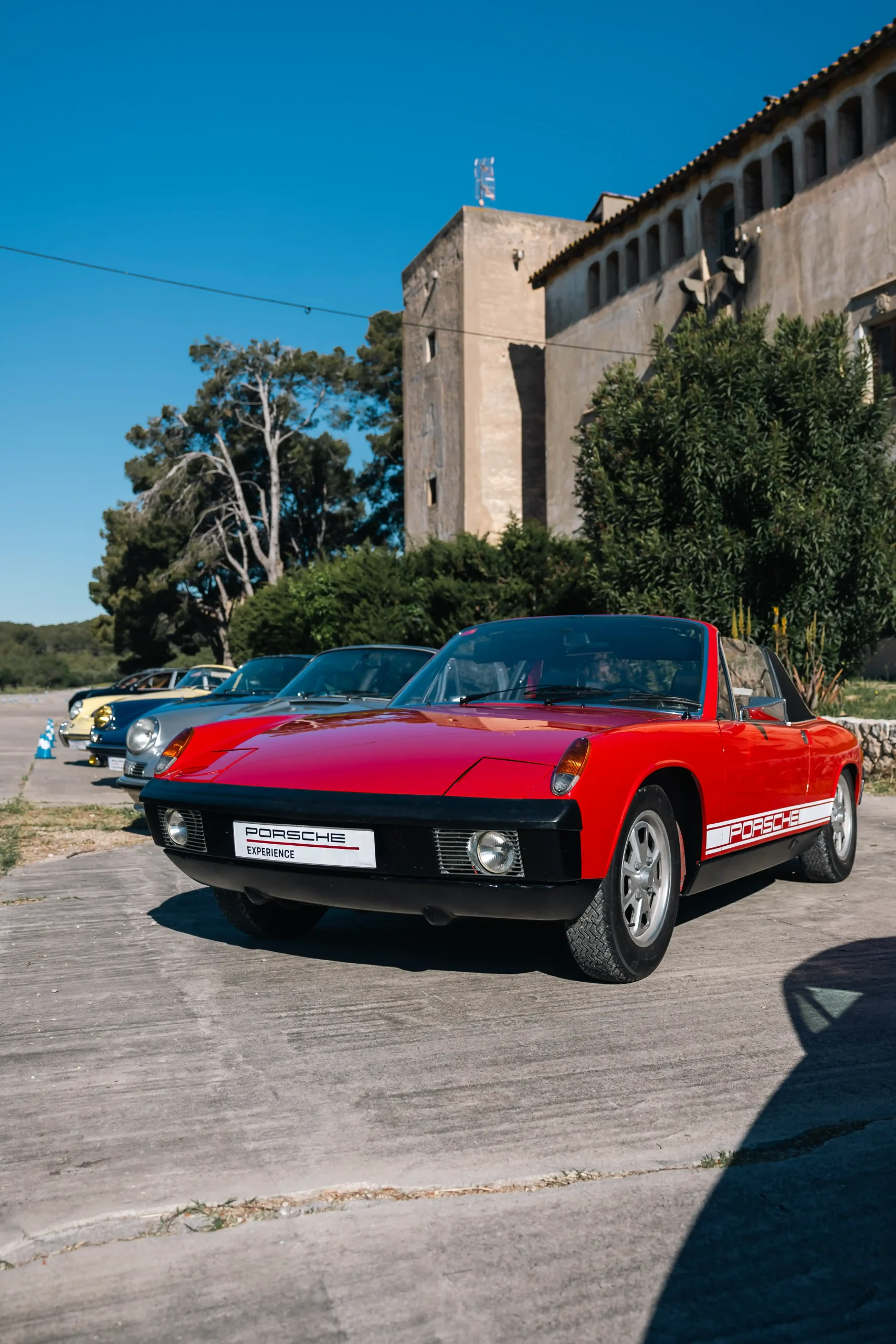
A well-known fact is that the Porsche 914 was developed as a joint project between Porsche and Volkswagen in the late 1960s. In Europe, it was sold as a VW-Porsche, while in the United States it was marketed simply as a Porsche—giving it a unique identity among classic Porsches.
Another interesting detail: the windshield washer system doesn’t use an electric pump. Instead, it relies on air pressure from the spare wheel stored in the front trunk—meaning that if the spare wheel isn’t pressurized, the washer won’t work.